The Land

Un’ospitalita che rispetta il luogo

Regenerative land hospitality.

Human presence here does not seek to dominate or withdraw, but to participate with awareness. The forest, the fields, and the wildlife remain active systems, not scenery.

Hospitality emerges from this relationship, offering guests the rare possibility of entering a living territory without disturbing its balance.

The Forest

Dove il silenzio parla

Forest, fields, and wildlife set the rhythm of daily life.

This woodland holds practical knowledge, edible plants, traditional remedies, weather signs, as well as stories, beliefs, and oral memory passed through generations. To enter the forest is to step into a place where observation matters more than action.

The forest as a living organism, not a landscape.

Human presence remains secondary to these processes, guided by observation and restraint rather than intervention. Paths, clearings, and access exist as points of passage, not control. What defines the forest is not what is extracted from it, but what is allowed to continue.

The wolf
Rare and discreet, the wolf represents balance within the ecosystem. Its presence regulates animal populations and signals the health of the forest. Mostly unseen, it moves across wide territories, reminding us that this land remains wild, active, and intact.
Image description
The deer
Deer move freely through the forest, following seasonal paths shaped by food and shelter. Their presence reflects the rhythm of the land and the availability of resources. Often visible at dawn or dusk, they embody the quiet continuity of wildlife life here.
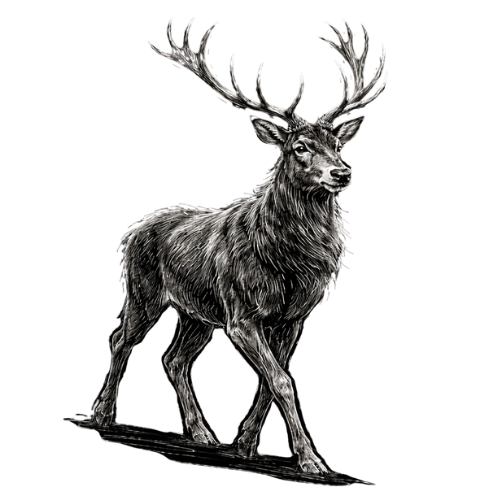
Image description
The fox
The fox inhabits the edges of forest and field, adapting easily to changing conditions. Alert and solitary, it plays a vital role in controlling smaller populations. Its movements reveal the subtle connections between cultivated land and wild territory.
Image description
The boar
Wild boar are an integral part of the forest’s cycle of disturbance and renewal. By foraging and turning the soil, they contribute to natural regeneration. Their strength and persistence are part of the land’s raw, unfiltered character.
Image description

Agriculture

Si raccoglie cio che si semina

The practical relationship between land and table.

Agriculture at Il Castagno is approached as a daily practice rather than a productive display. Olive trees, hazelnuts, herbs, and vegetable gardens are cultivated with attention to season, soil, and use.

What is grown here follows the pace of the land, not external demand.

Tuscan Made®

Details are shared on request